I grew up in Loroo Sub-county, Amudat District. As a child, the land was green and welcoming. The hills were covered with thick forests of Epera and Warburgia trees. The trees were not just wood. They were our pharmacy, our shade, our water towers. My grandmother would point to the tall Epera trees and say, “When these trees stand, rain will find us.” Rivers like Nakapelimoru flowed even in dry months.
Rains came in March and September without fail. Farmers planted sorghum, maize and beans and harvested enough to feed families and sell at Amudat market. Children played hide-and-seek under wide branches. Women fetched firewood within 15 minutes of their homes. Bees made sweet honey in hollow trunks. Birds like the Karamoja Apalis sang every morning and their songs meant the season was good.
Then things began to change, slowly at first, then very fast. In the early 2000s, people started cutting trees to clear land for farming because the population was growing. But after 2015, something worse happened. Trucks from outside Karamoja started coming and their drivers were offering locals money in exchange for charcoal.
One big Epera tree could easily produce ten bags of charcoal worth about one hundred and fifty thousand shillings. For a family with no other income, that was school fees. So young men started cutting trees. Elders warned them, but hunger was louder than elderly advice.
Others cut trees to make poles for building because eucalyptus had not yet come to Loroo. Big trees like Warburgia, Fig and Tamarind were quickly disappearing. The forests that protected our hills became empty. Strangely, we thought we were making progress. Afterall, we were building iron sheet houses and buying phones. Yet the reality was that we were cutting away our future. My uncle once told me, “A man who cuts his roof will feel rain.” We did not understand him then.
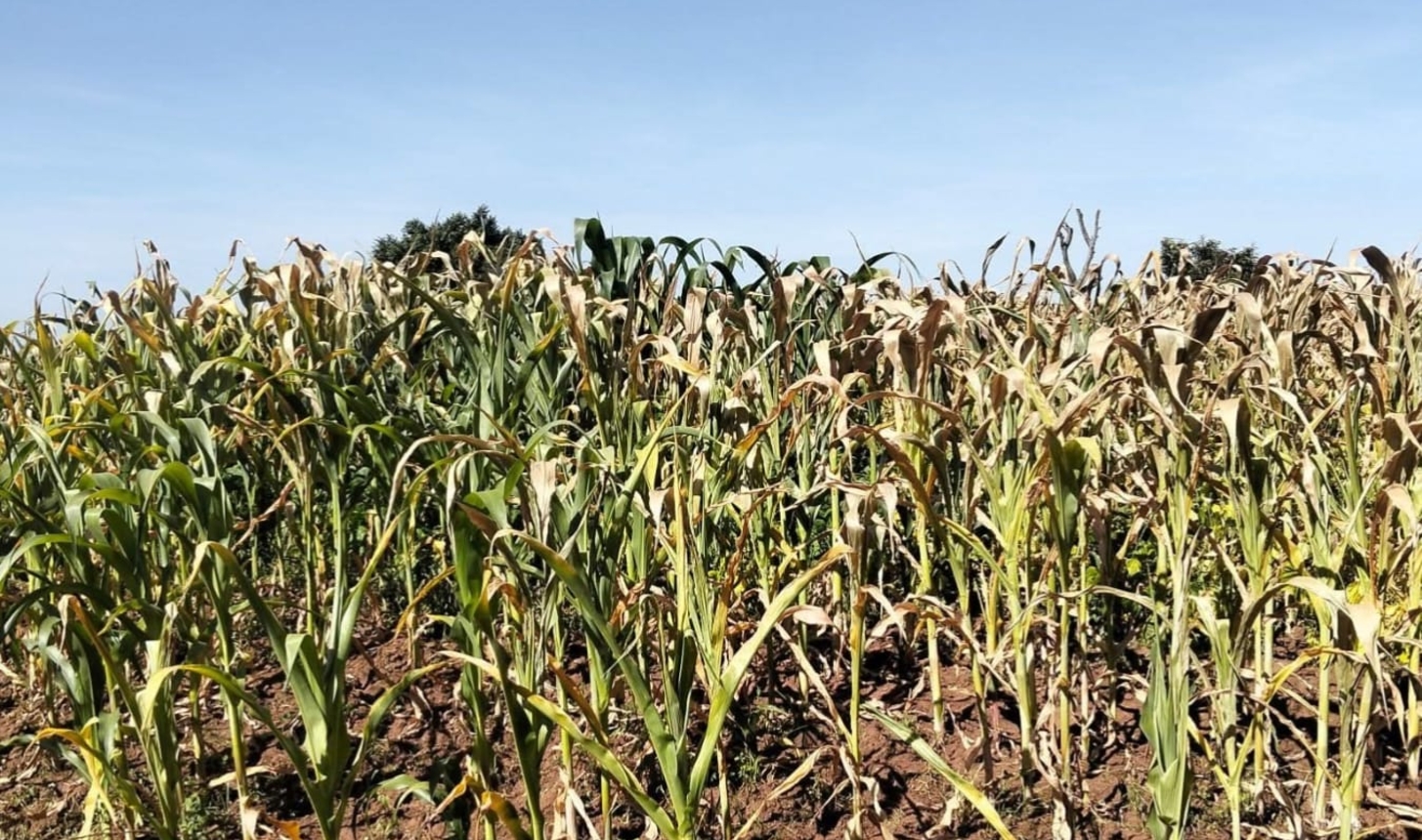
Today, Loroo is dry and bare and the pain is visible. The hills have no trees. When rain comes, it does not stay. It runs fast down the bare slopes and washes the soil away because there are no roots to hold it. That is why you now see deep gullies where children once played. Rivers like Nagwoliet dry up by January instead of May. The rains are late and short. What used to be ninety days of rain is now forty days. Crops failed for several seasons. Food shortages are common and families now depend on gold mining.
Women and children walk five to seven kilometres to fetch water and collect firewood. Girls miss school because they must leave their homes as early as 5 a.m. to find firewood. Wild animals like guinea fowl have migrated because there is no tree cover. The air is hotter. In April the temperature feels like 38 degrees under a sun with no shade. The land is tired. Last year, my neighbour planted two acres of maize and harvested only two basins. He sat in his field and cried. That scene plays out in many homes perhaps on a daily basis.
This is not only Loroo’s problem. Along the Amudat-Moroto border and other districts the story is the same. Hills that were green twenty years ago are now red scars on the earth. Karamoja has lost over sixty percent of its tree cover in the last thirty years according to National Forestry Authority reports. When trees disappear, rainfall patterns change. Scientists call it “biological rain” because trees release moisture that forms clouds. Without trees, clouds pass over us. That is why areas with forests in Sebei still get rain, while Loroo waits. Climate change is real, but in Loroo we caused part of it with our own hands.
But Loroo’s story does not have to end in dust. Trees can return if we act now, and I have seen it work. In 2021, a group of women in Katabok started a small tree nursery with support from an NGO. Today they have planted 8,000 trees around their village although some of the trees did not survive. Their wells do not dry as fast.
If we plant trees now, we can bring back the rain. Every home should grow 20 seedlings. Every school and church should have a tree nursery. We must protect the few trees that remain and control charcoal burning through community bye laws. Cutting a big indigenous tree should carry a penalty agreed by the community itself. Government and partners must support tree planting with free seedlings and teach climate change in schools using our local language, Pokot. We must also give youth alternatives to charcoal — beekeeping, goat rearing, and solar energy. If a young man can earn 200,000 shillings from honey instead of charcoal, he will not cut the tree that feeds the bees.
When the trees fell, so did the rain. I have seen it with my eyes. But I also believe if we plant trees, the rain will return. My grandmother was right. The future of Loroo depends on the choices we make today, not tomorrow. Let us restore our forests. Let us bring back the shade for our children, the water for our animals and the life for our land. Plant one tree today. Protect one tree today. For our children. For our land. For Loroo.
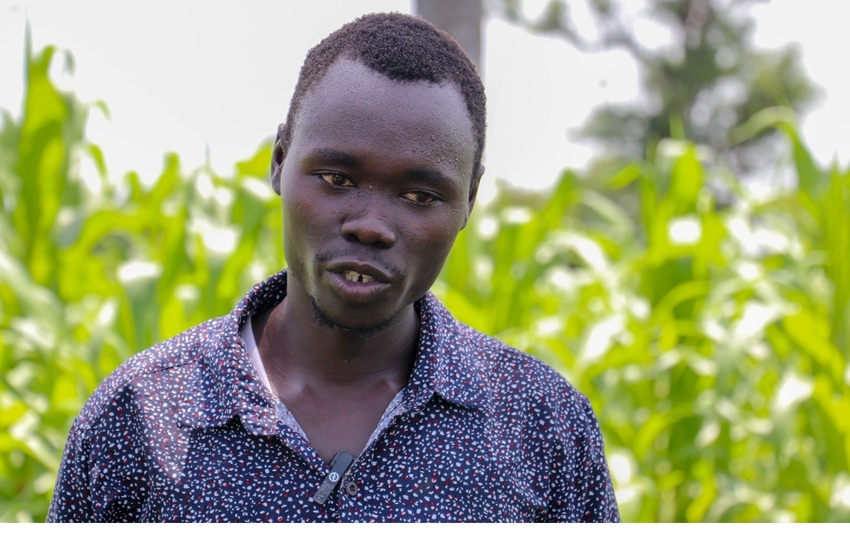
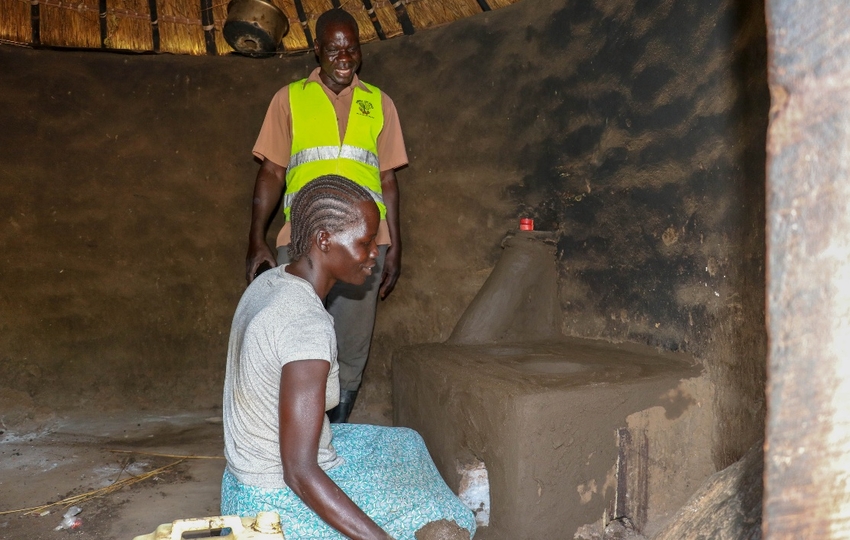
Mr. Lodis Kokwomogh Daniel is a Climate Action Champion in Loroo sub-county, Amudat District, Karamoja. Under the Strengthening Environmental Accountability and Climate Action in West Nile and Karamoja (SEA-WNK) Project funded by the Danish Ministry of Foreign Affairs through Danida, ACEMP has deployed a network of Climate Action Champions in Amudat and Nakapiripirit Districts as frontline community educators and campaigners for environmental accountability and climate justice.