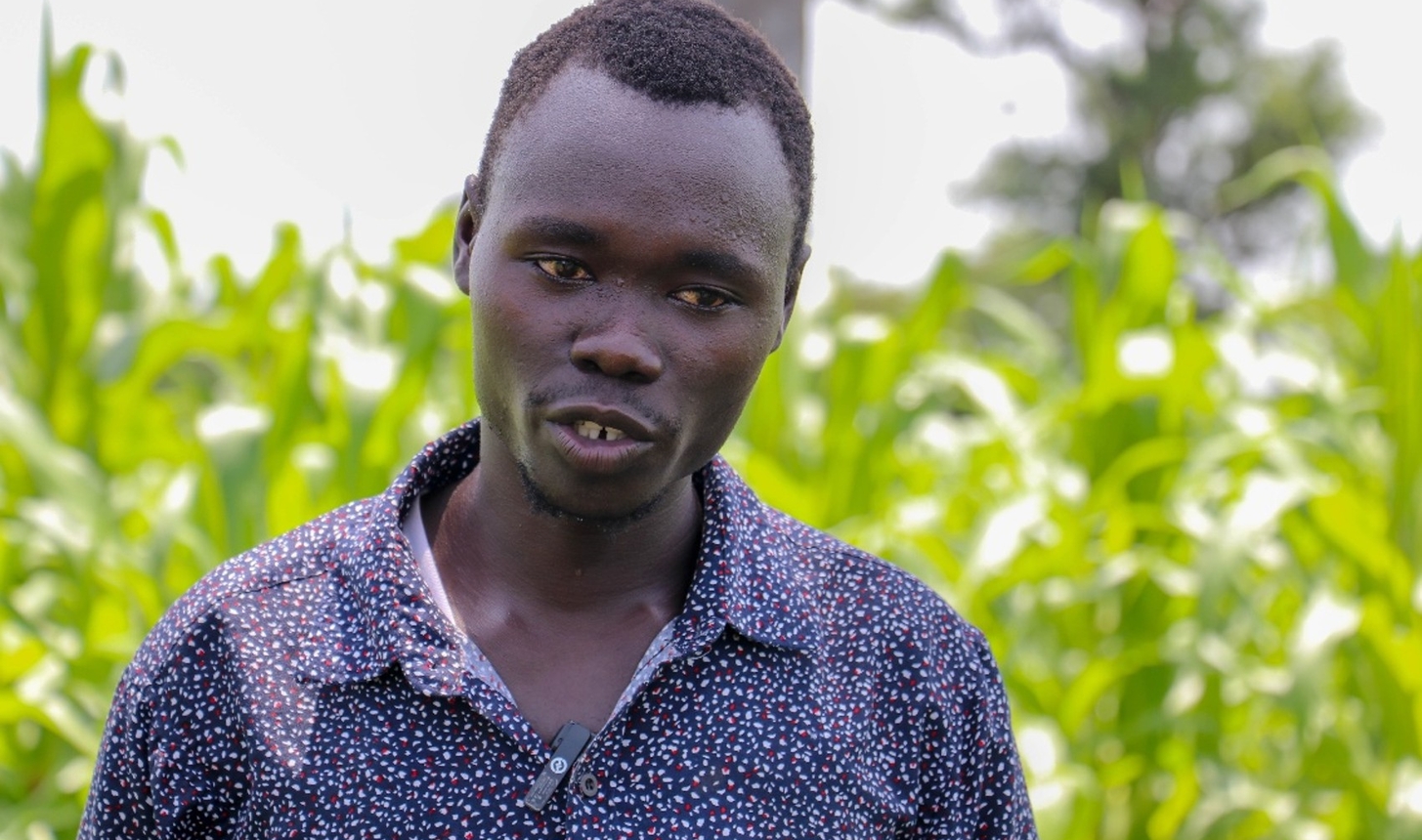
My name is Abdul Rahuman, a 27-year-old resident of Waka, Itula Parish, in Obongi District. I am an orphan and married. For seven years, charcoal production was my primary source of livelihood; it was accessible and had a ready market, so I did not fully grasp the damage I was causing to our environment. Reflecting on those years, I remember the physical toll: "When I cut trees for charcoal, my hand would pain, the work is too much, and yet the earnings are little."
In 2025, everything changed when I attended a community dialogue on environmental protection under the Strengthening Environmental Action in West Nile & Karamoja (SEA-WNK) project, funded by the embassies of Denmark, the Netherlands, Ireland, and Sweden. The sessions opened my eyes to the urgent need to protect our trees and adopt alternative livelihoods.
With the guidance of Mwamba Kassim, a Climate Action Champion in our parish, I joined nine other youth, a mix of refugees and host community members, to form the Ngoma Savings Group. Under Kassim’s leadership, we turned to climate-smart agriculture. We utilized two acres of his land at no cost to start an irrigated tomato farm. Our hard work paid off with a harvest of seven boxes of tomatoes, which earned us Shs 2.45 million.
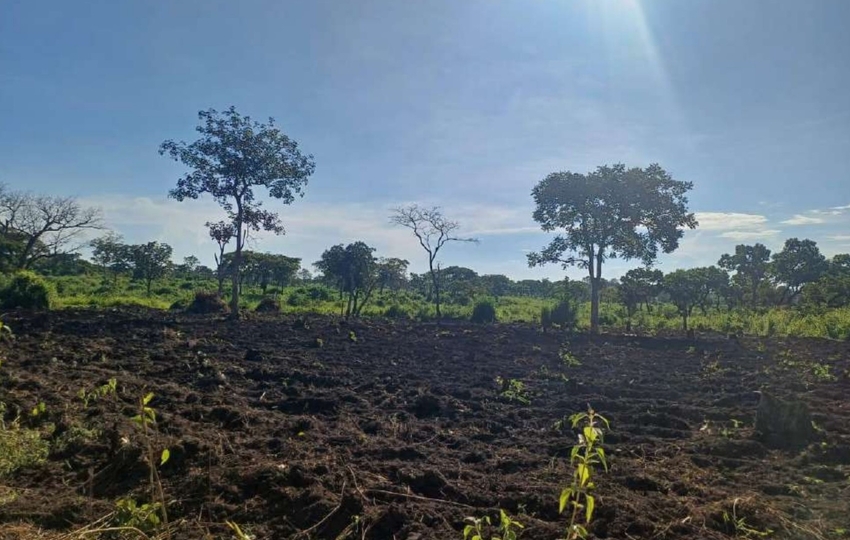
We reinvested these earnings to expand our impact, clearing eight acres for maize to support the host community and, most importantly, refugees affected by recent cuts in United Nations food rations. Our efforts gained recognition: LWF committed to supporting our post-harvest handling with materials such as tarpaulins, and RICE West Nile provided us with essential savings kits.
Beyond agriculture, our group is committed to community service. We constructed a bridge made of bamboo sticks to prevent flooding, which now allows children to reach school safely and helps community members access markets, health services, and their gardens. While this temporary solution has been a lifesaver, I urge the government to consider a permanent bridge for our community. Furthermore, we have successfully linked two of our members to a government industrial hub for specialized skill development.
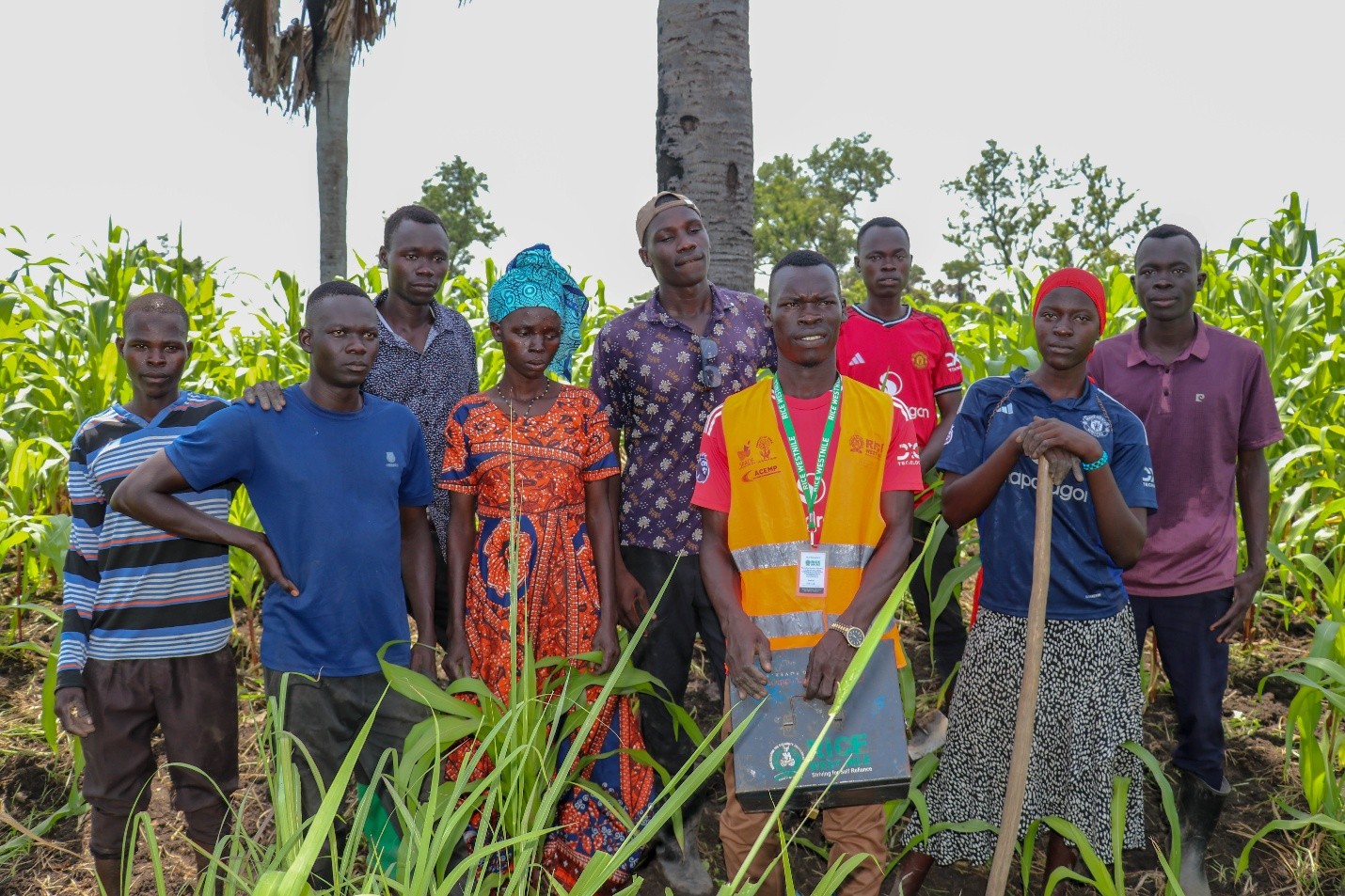
On a personal level, I have left charcoal production behind. I am now a regular saver in our group and have invested in seven goats, which I hope will multiply. My journey proves that by pairing environmental awareness with practical, income-generating solutions, youth can successfully transition from exploiting natural resources to building a sustainable, financially stable future.
The "Strengthening Environmental Accountability and Climate Action in West Nile and Karamoja" project is funded by the Danish Ministry of Foreign Affairs (MFA) through Danida. The project is implemented in the districts of Zombo, Madi Okollo, Obongi, Adjumani, Amudat and Nakapiripirit by a consortium of four national organizations: RICE West Nile (lead implementer), Friends of Zoka, Sustainable Plan and Action for Community Empowerment (SPACE) and Africa Center for Energy and Mineral Policy (ACEMP).