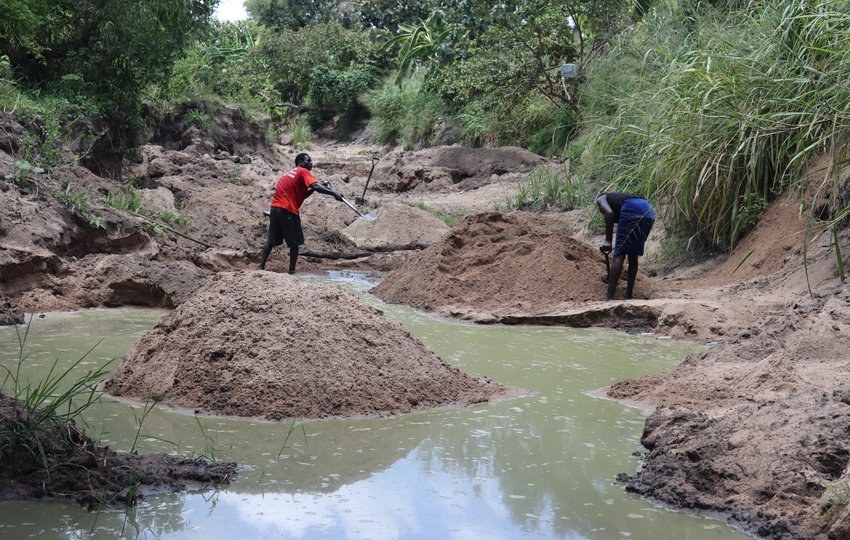
WEST NILE, UGANDA — Forests and wetlands in Uganda’s West Nile sub-region are disappearing at an alarming rate. Once important sources of food, firewood, medicine and income for rural communities, these natural resources are increasingly under pressure from agricultural expansion, charcoal burning, illegal logging and changing weather patterns.
A study conducted by Muni University in partnership with Rural Initiative for Community Empowerment (RICE) West Nile in November 2025 has revealed the extent of this environmental change. The study covered Adjumani, Madi Okollo, Obongi and Zombo districts and examined changes in land use and vegetation over a period of 20 years.
Forests and Are Shrinking as Farmland Expands
Using satellite images to study changes in land cover between 2001 and 2021, researchers found that mixed forest cover had reduced by 77.7%, falling from 9.83 square kilometres in 2001 to just 2.19 square kilometres in 2021.
Evergreen broadleaf forests initially increased from 18.74 square kilometres in 2001 to 61.02 square kilometres in 2011. However, by 2021, the coverage had fallen to 47.26 square kilometres, showing growing pressure on the remaining forests.
At the same time, farmland continued to expand. Cropland increased by 52.4%, growing from 811.19 square kilometres to 1,236.14 square kilometres. This expansion mainly came at the expense of savanna grasslands, fallow land and areas with a mixture of forest and other vegetation.
These findings show how increasing demand for farmland and other natural resources is putting pressure on the environment and the livelihoods of communities that depend on it.
Communities Take Action to Protect Their Natural Heritage
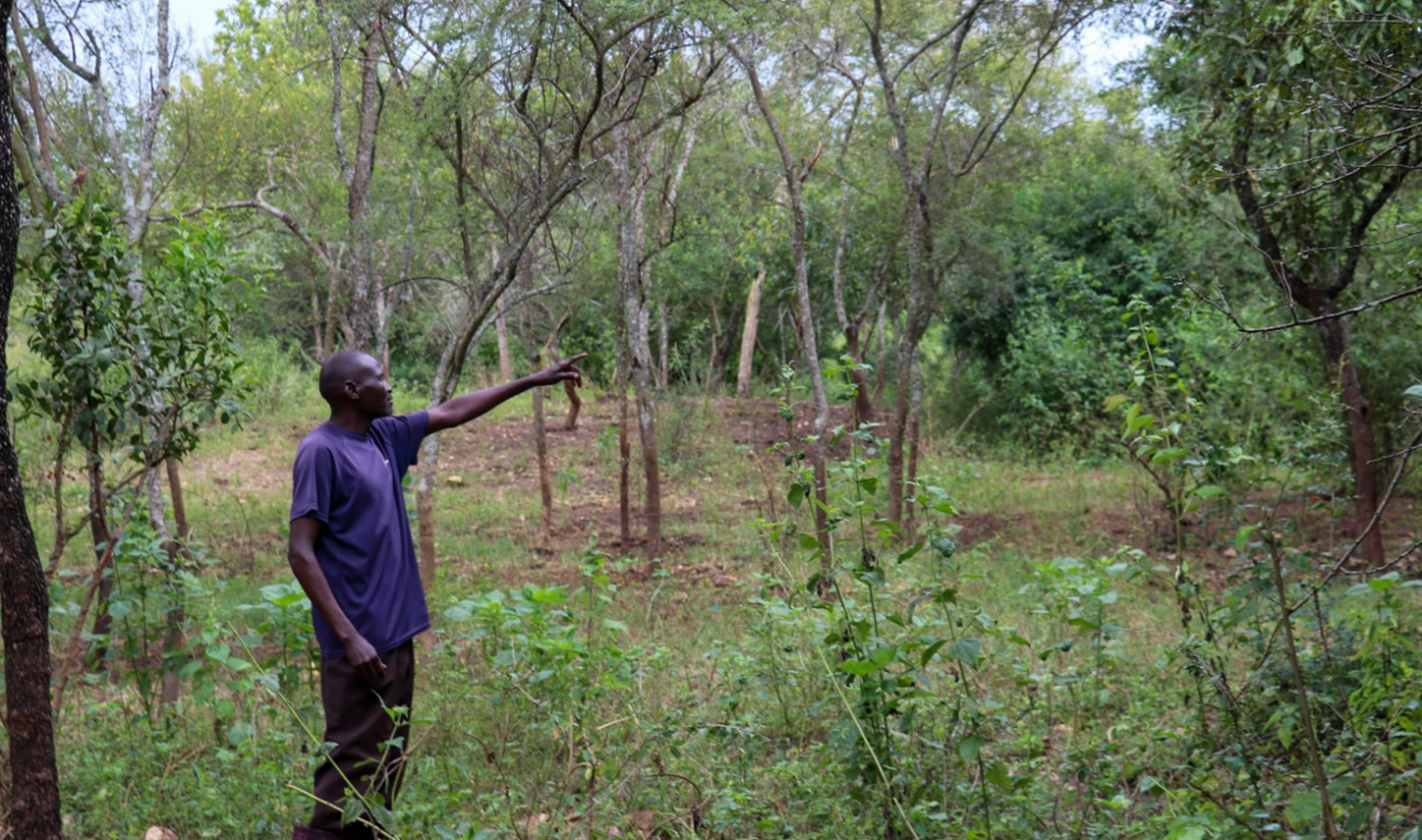
In Adjumani District, the situation at Zoka Central Forest Reserve illustrates the growing pressure on West Nile's forests. For years, Zoka Forest has faced illegal logging, commercial charcoal production and other activities that threaten its trees and wildlife. Dependence on firewood and charcoal has added to the pressure, especially in an area hosting large refugee populations.
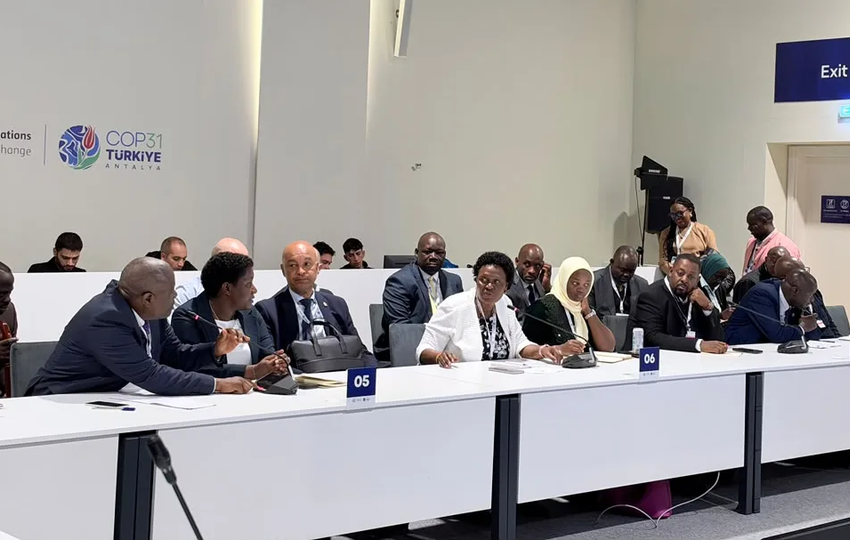
However, efforts by local communities and environmental organisations are beginning to make a difference. Through advocacy by Friends of Zoka, a consortium partner under the SEA-WNK project, the concerns surrounding Zoka Forest were raised at the national level. Engagement with the Deputy Speaker of Parliament led to a directive for the Parliamentary Committee on Natural Resources to look into the matter.
At the local level in West Nile including Obongi and Madi Okollo, trained community volunteers known as Climate Action Champions (CACs) have been mobilised to monitor environmental threats, raise awareness and encourage communities to protect their natural resources.
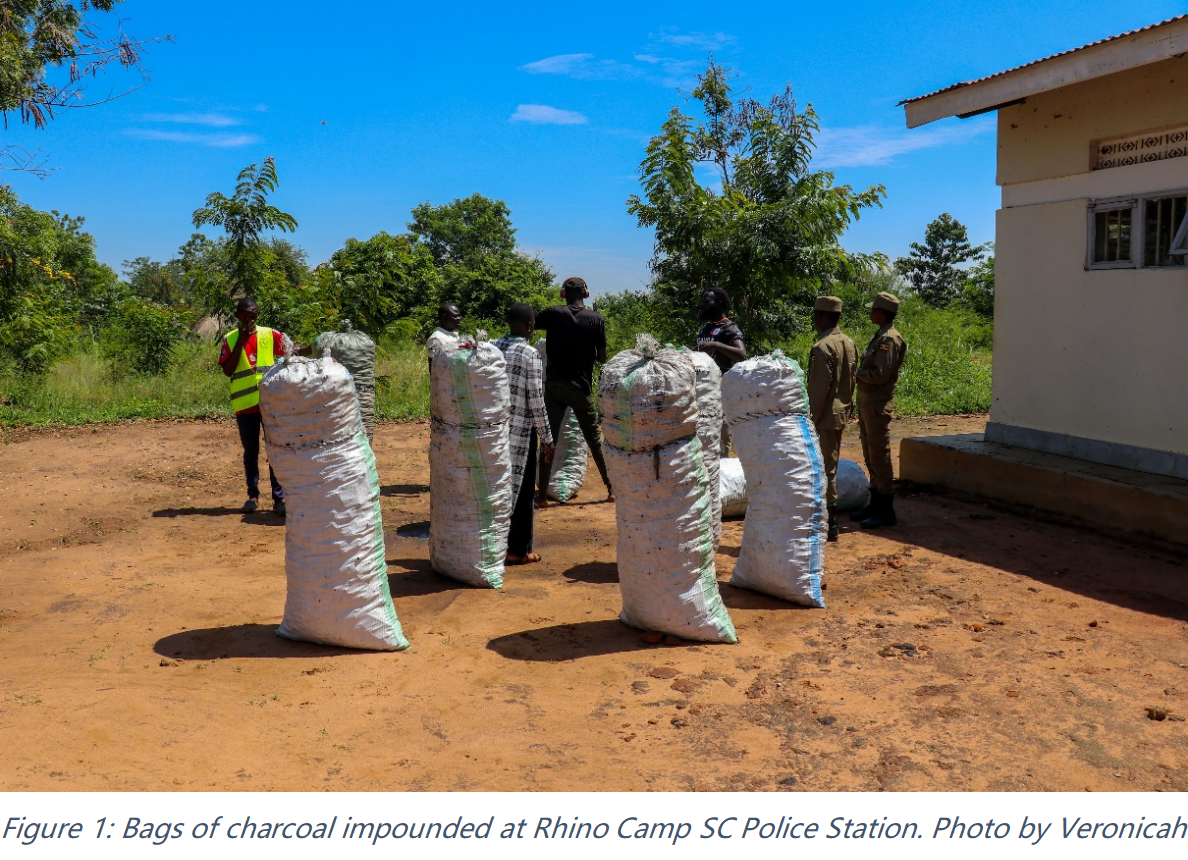
There are encouraging signs of progress. Project reports indicate that charcoal trucks transporting charcoal from West Nile reduced from an estimated 10 trucks per week to about three in 2025.
Adjumani District Natural Resources Officer, Charles Giyaya, also reported that the number of charcoal trucks leaving the district daily had reduced from tens of trucks to approximately two. The enforcement of Executive Order No. 3 of 2023 has also contributed to efforts to control illegal charcoal activities.
Beyond enforcement, the West Nile District Local Governments are encouraging communities to explore alternative sources of income that do not depend on destroying forests. One such initiative is the promotion of a local coffee brand called Zoka Coffee, which aims to create economic opportunities while supporting forest conservation.
These efforts demonstrate that protecting forests requires more than stopping illegal activities. Communities also need alternative livelihood opportunities that allow them to earn a living without destroying the environment.
Working Together to Restore West Nile's Environment
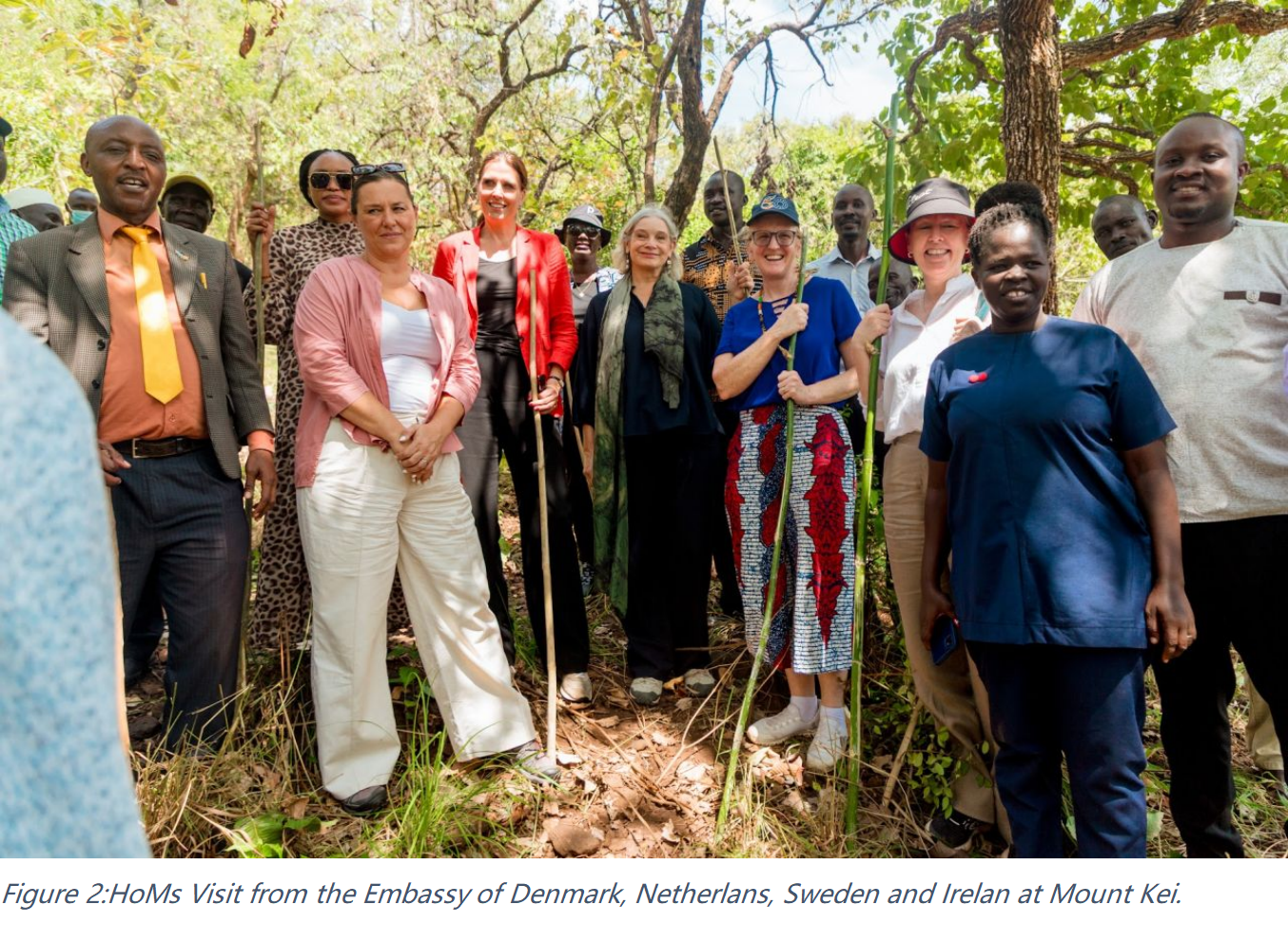
Recognising the growing environmental challenges, development partners are supporting communities and local governments to strengthen environmental protection and climate action.
The Embassy of Denmark through Danida, the Kingdom of the Netherlands, the Embassy of Sweden and the Embassy of Ireland are supporting the Strengthening Environmental Accountability and Climate Action in West Nile and Karamoja (SEA-WNK) project under the PACER framework. The project has a combined budget of UGX 10.7 billion (DKK 18.73 million) and runs until December 2027.
Led by RICE West Nile, the project brings together Friends of Zoka, SPACE and ACEMP to address environmental challenges through community participation, policy advocacy, improved enforcement and alternative livelihood opportunities.
The consortium also works with the Advocates Coalition for Development and Environment (ACODE) on broader environmental accountability initiatives. These include developing a Joint Position Paper on human-induced disasters in Pakwach, reviewing Adjumani District's waste management strategic framework, organising regional climate justice accountability forums in Arua City and facilitating discussions on the protection of threatened ecosystems such as Waka Community Forest in Obongi and Mount Kadam in Karamoja.
The results are beginning to show at community and district levels: Across the four West Nile districts, the adoption of sustainable land-use practices has increased from a baseline of 25.1% to 77.1%. Community participation in district planning and budget conferences has also increased from 35% to 66.7%. In addition, local governments in Obongi, Madi Okollo and Zombo have committed their own resources towards tree nurseries, environmental enforcement and other conservation activities.
Protecting Forests is Everyone's Responsibility
The findings from the Muni University study are a reminder that forest loss is not just an environmental problem. It also threatens livelihoods, food security, water sources and the future of communities that depend on natural resources. The experience in Zoka shows that change is possible when communities, local leaders, government institutions and development partners work together.
However, the fight to protect West Nile's forests is far from over. More communities need to embrace sustainable farming, tree planting, responsible energy use and alternative livelihoods.
Ultimately, protecting forests such as Zoka is not only about saving trees. It is about protecting the resources that support people's lives today and ensuring that future generations inherit a healthy and productive environment.
This article was written by Veronicah Wairimu Gikonyo for the "Strengthening Environmental Accountability and Climate Action in West Nile and Karamoja" project is funded by the Danish Ministry of Foreign Affairs (MFA) through Danida. The project is implemented in the districts of Zombo, Madi Okollo, Obongi, Adjumani, Amudat and Nakapiripirit by a consortium of four national organizations: RICE West Nile (lead implementer), Friends of Zoka, Sustainable Plan and Action for Community Empowerment (SPACE) and Africa Center for Energy and Mineral Policy (ACEMP).