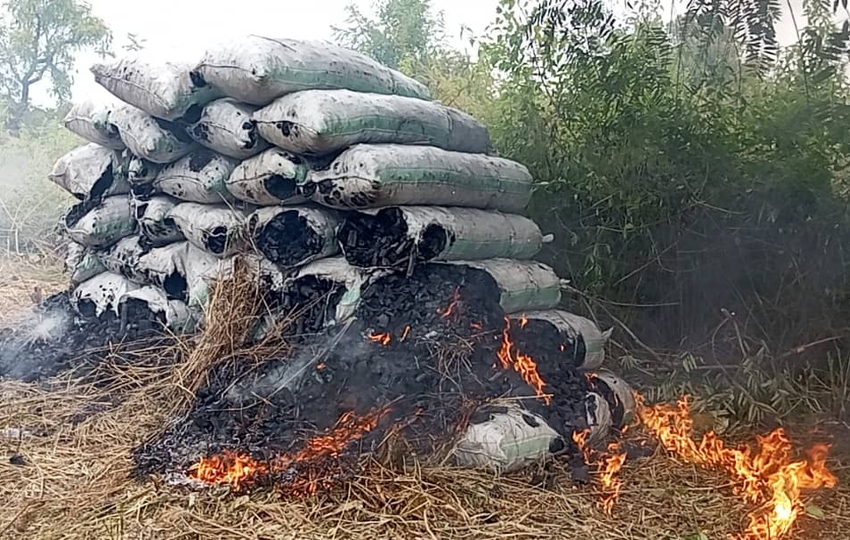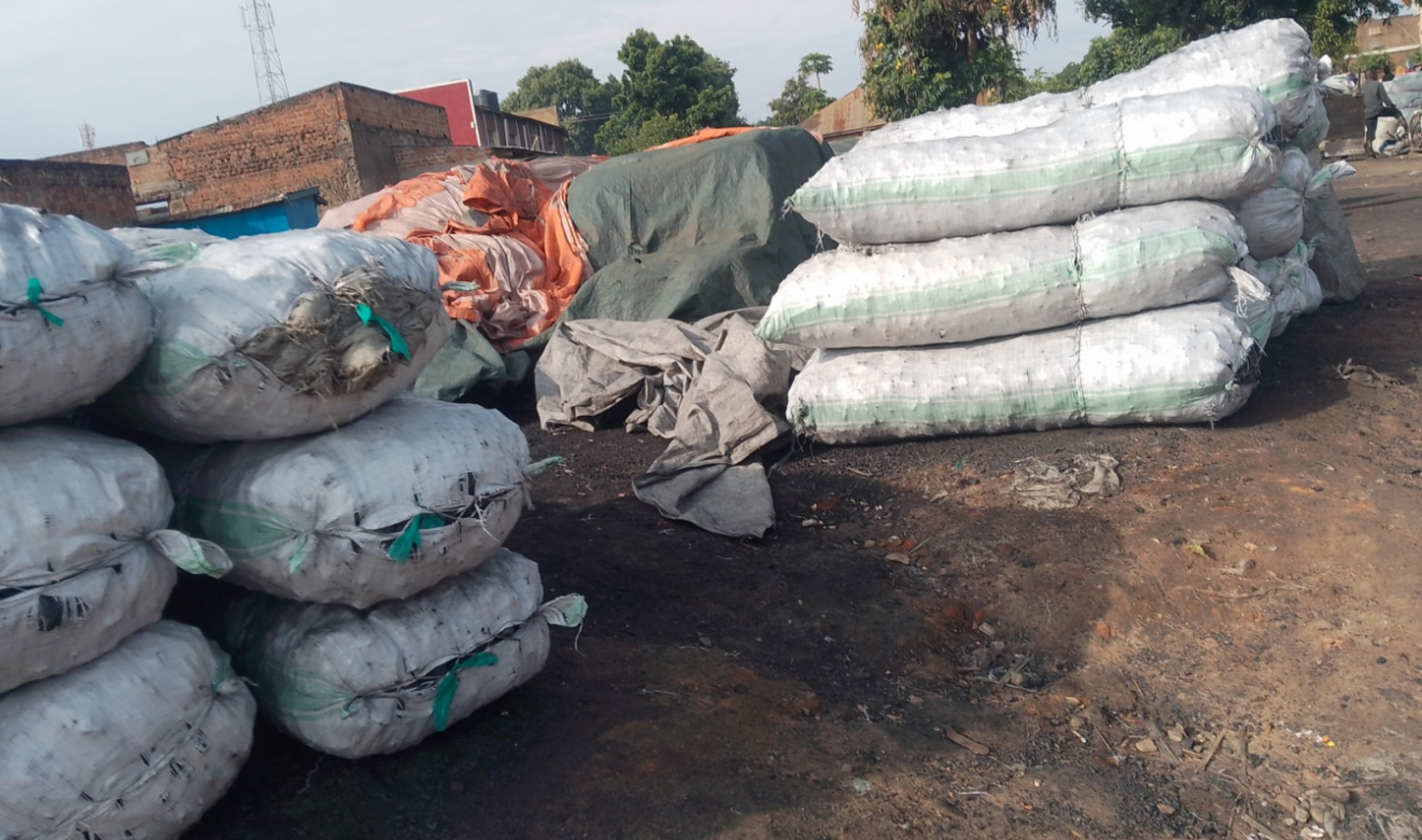
Along the dusty margins of the Arua-Nebbi highway winding through Uleppi sub-county, towering walls of white polypropylene sacks stand like sentinels under the scorching West Nile sun. Packed to the brim with dark, metallic-clinking lumps of charcoal, these bags wait for transit to urban centres like Arua, Gulu, and Kampala.
For 34-year-old single mother Beatrice Candiru, these sacks represent both a lifeline and a curse. "If I do not burn charcoal, my children do not eat, and their school fees go unpaid," Candiru says, her hands permanently stained with fine black soot. "But each year, I have to walk deeper into the bush to find trees big enough to burn. The land is heating up, the rains are disappearing, and we are cutting down the very shade that keeps us alive."
Candiru’s plight lies at the absolute epicenter of climate injustice in Uleppi. Smallholder communities who have contributed virtually nothing to global greenhouse gas emissions find themselves trapped in a vicious ecological cycle. As climate change triggers prolonged seasonal droughts and decimates rain-fed crop yields, rural families are forced to abandon their withered fields and turn to charcoal burning for immediate survival. This survival mechanism, driven by economic desperation, accelerates the destruction of the local environment, leaving Uleppi increasingly vulnerable to the worsening climate crisis.
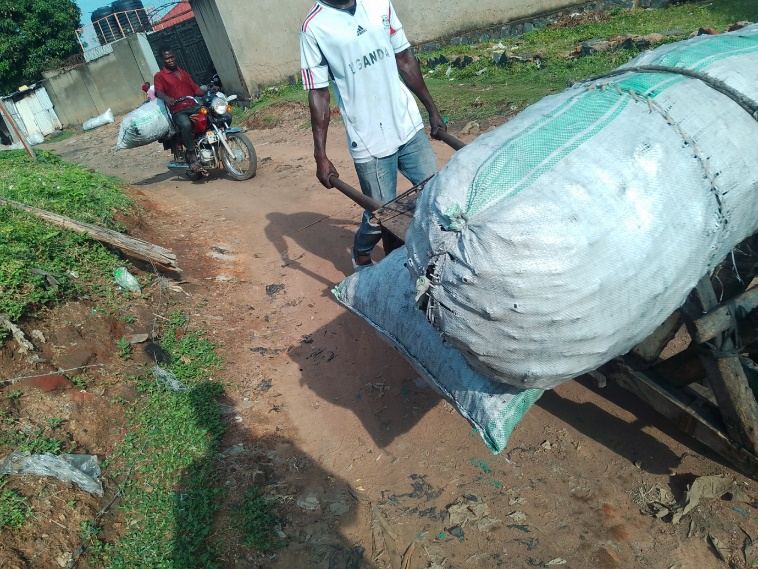 Photo 1: Thriving charcoal business at Uleppi Trading Center. (Victor Andama)
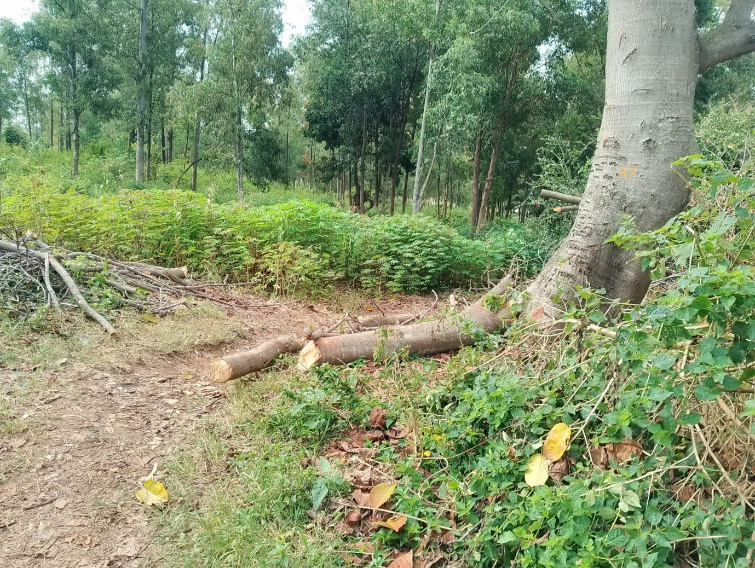 Photo 2: An ancient tree identified and targeted for cutting. (Victor Andama)
Agriculture’s Collapse and the Flight to the Kiln
Historically, Uleppi sub-county was celebrated for its robust production of cassava, simsim, and groundnuts. However, regional meteorological realities have turned hostile. The bimodal rainfall system that local farmers relied upon for generations has largely collapsed into extreme unpredictability. Torrential, short-lived downpours cause flash floods that wash away topsoil, only to be followed by punishing, multi-month heatwaves.
When crops fail completely, rural households have no financial safety nets, insurance, or institutional relief. In Uleppi, where over 95 percent of the population lacks access to electricity or affordable liquefied petroleum gas (LPG), the market for biomass fuel is insatiable. Charcoal has effectively become the unofficial currency of poverty.
Local leaders note that during severe dry stretches, smoke columns rise from virtually every woodlot in Uleppi. Earthen kilns, packed with slow-smouldering logs, dot the landscape. A seasonal economic survey conducted by local civil society actors revealed that nearly 70 percent of smallholder households in Uleppi now rely on charcoal production as their primary or secondary source of emergency income when harvests fail. I spoke to Mundu Moses Okondo, a climate Ambassador in Uganda who comes from uleppi Sub County, where 90% of the households rely on charcoal burning. His narrations require an urgent intervention.
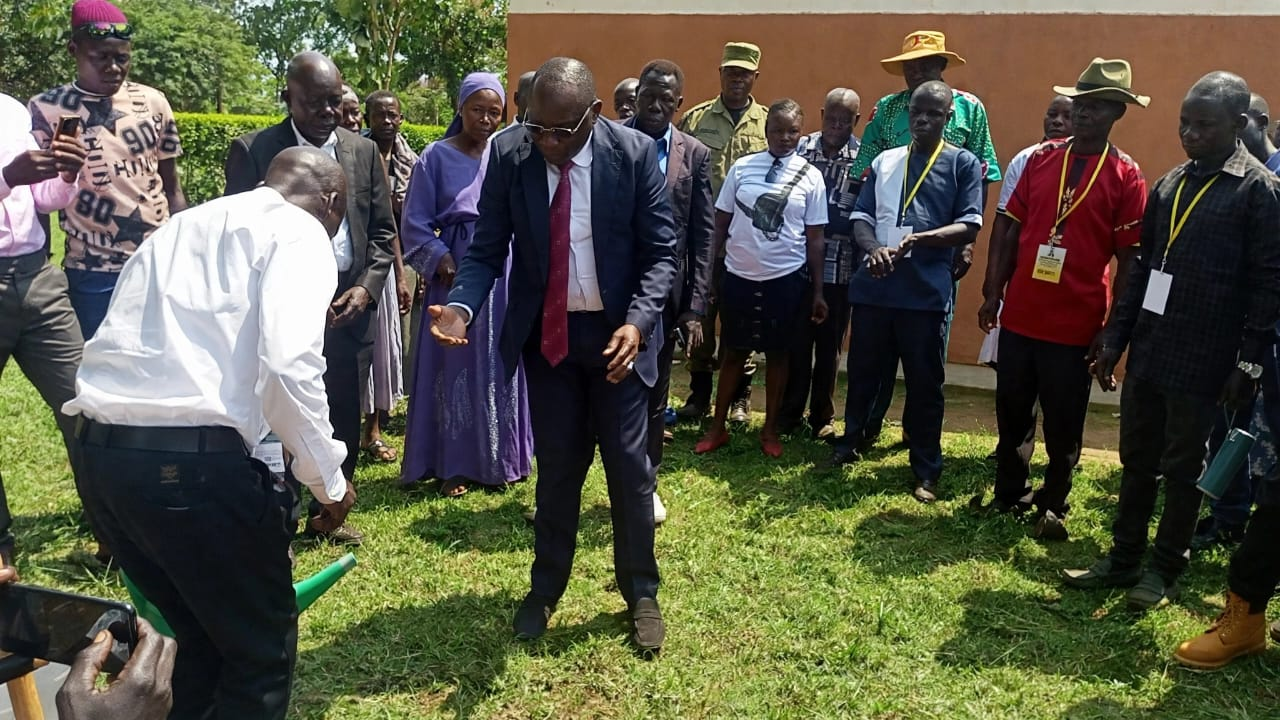
Photo 3: Mr. Mundu Moses Okondo dressed in white long sleeve holding a watering jag while in planting a memorable tree with upper madi county MP Hon. Martin Drito in Uleppi sub county -Madi Okollo district. Looking are Hon. Dritos agents. (Victor Andama).
While sharing his experience in championing climate justice, okondo narrated to me how the community in uleppi sub county despise him, others calling him a poor man because he doesn’t engage in charcoal business, but rather advise people to plant trees.“I am all ways called a poor man in our village because i don’t have money like the charcoal dealers have, as such they choose to isolate me for some community issues because i don’t have money like them. Yet this is the money they have got through dubious means”. Okondo says. Okondo has championed tree planting in public gatherings including funerals, parties, and schools, to mention but a few.
The Assault on the Indigenous Canopy
The ecological cost of Uleppi’s charcoal trade is catastrophic, particularly for indigenous tree species. Charcoal dealers heavily target slow-growing hard trees like the protected Shea Nut tree and Afzelia Africana.
The loss of these specific trees deals a double blow to Uleppi’s climate resilience:
- Loss of Traditional Safety Nets: The Shea tree is a source of nutritious fruit and valuable oil, providing women with a sustainable, non-destructive seasonal income. When these trees are cut down for a single, immediate payout of charcoal, a long-term community asset is permanently destroyed.
- Microclimate Destabilization: As the canopy thins, the region's microclimate deteriorates rapidly. The open earth is exposed directly to the harsh sun, causing soil moisture to evaporate at unprecedented speeds.
- The Desertification Loop: Without tree roots to anchor the soil, the sudden, heavy rains characteristic of modern West Nile weather patterns washes away the fertile topsoil. This makes future farming even less viable, driving more desperate farmers into the charcoal trade.
"We are witnessing the literal desertification of our ancestral lands," warns an officer from the Madi Okollo District Environment Department. "Uleppi is losing its ecological shield. Every tree turned to ash means less rain, poorer soils, and hotter days for the next generation."
The Gendered and Intergenerational Burden
Within Uleppi, the charcoal trade distributes its hardships along lines of gender and age. While men are typically responsible for felling the massive hardwood trees and building the heavy earthen kilns, the long-term domestic fallout falls squarely on women and children.
As local woodlands recede from villages, the time required to gather routine household firewood has doubled. Women and young girls must walk hours into isolated bushlands, exhausting their energy and exposing themselves to heightened risks of physical injury and assault. Furthermore, the smoke and particulate matter inhaled by women and children working around active kilns present severe respiratory health hazards in a sub-county with limited access to modern medical facilities.
For the youth of Uleppi, the charcoal trade represents a dead end. As school fees become harder to secure due to failed harvests, young boys are frequently pulled out of classrooms to assist with timber cutting, kiln monitoring, and bagging. The immediate need for survival triumphs over long-term education, cementing a cycle of intergenerational poverty that leaves the community ill-equipped to adapt to future environmental shocks.
Broken Enforcement and the Way Forward
Madi Okollo District has enacted clear environmental ordinances banning the commercial cutting and burning of endangered species like the Shea tree. However, enforcing these laws in Uleppi is incredibly difficult. The district's environmental sector operates on an extremely small budget—often comprising less than 3% of the total local governance allocation—leaving rangers and inspectors without the vehicles, fuel, or personnel to patrol remote sub-county woodlands.
Furthermore, corruption frequently undermines local regulations. Middlemen from large towns bypass local checkpoints, paying small fees to desperate woodlot owners and using informal routes to move truckloads of Uleppi's forest wealth down south.
To break this cycle, climate justice advocates argue that punitive bans are not enough; the root cause of poverty must be addressed. Civil society organizations, including RICE West Nile, are calling for targeted external investments to provide Uleppi's farmers with viable economic alternatives. These include: Establishing small-scale solar valley tanks so farmers can grow high-value vegetables year-round, freeing them from total dependence on unpredictable rains. Introducing modern apiaries in indigenous forests. Farmers who make money selling honey are highly motivated to keep the surrounding trees standing. Providing training on sustainable biomass harvesting and introducing fuel-efficient cookstoves to dramatically reduce the amount of wood required for daily use.
Executive Order Number 3 of 2023: Issued by President Yoweri Museveni on May 19, 2023 (under Article 99(2) of the Constitution), this order bans commercial charcoal burning, trade, and extensive tree cutting in specific parts of Uganda—including Northern Uganda, West Nile, Karamoja, Lango, Acholi, and the Teso sub-region.
Until these structural solutions are properly funded by national and international climate adaptation mechanisms, the smoke will continue to rise over Uleppi. For Beatrice Candiru and her neighbours, the charcoal kiln remains a brutal necessity—a monument to a world that leaves the most vulnerable to burn their own future just to survive the present.
This article was written by Victor Andama for the "Strengthening Environmental Accountability and Climate Action in West Nile and Karamoja" project is funded by the Danish Ministry of Foreign Affairs (MFA) through Danida. The project is implemented in the districts of Zombo, Madi Okollo, Obongi, Adjumani, Amudat and Nakapiripirit by a consortium of four national organizations: RICE West Nile (lead implementer), Friends of Zoka, Sustainable Plan and Action for Community Empowerment (SPACE) and Africa Center for Energy and Mineral Policy (ACEMP).